Duck Nesting Tubes

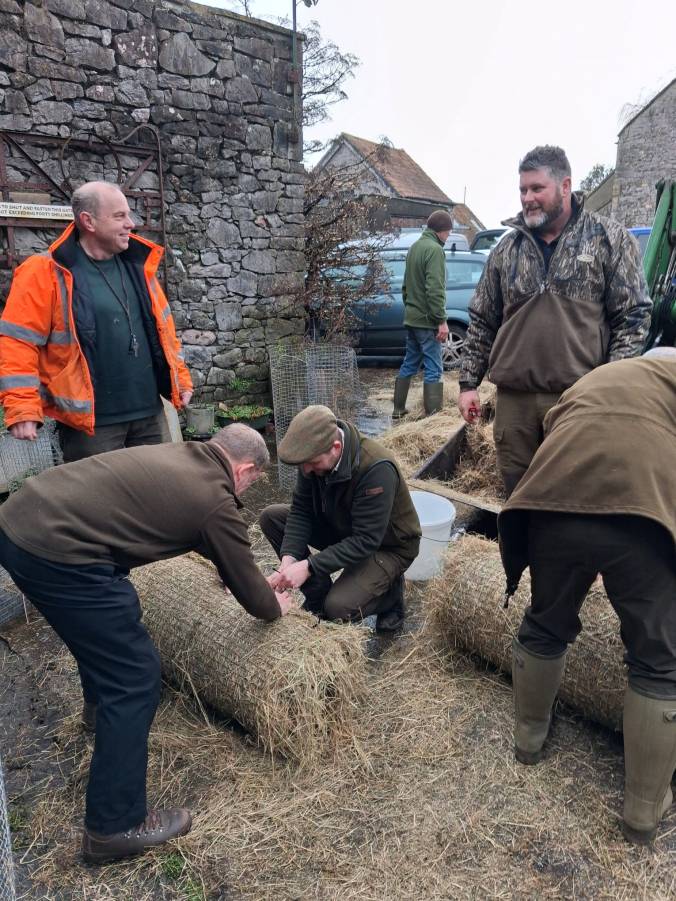
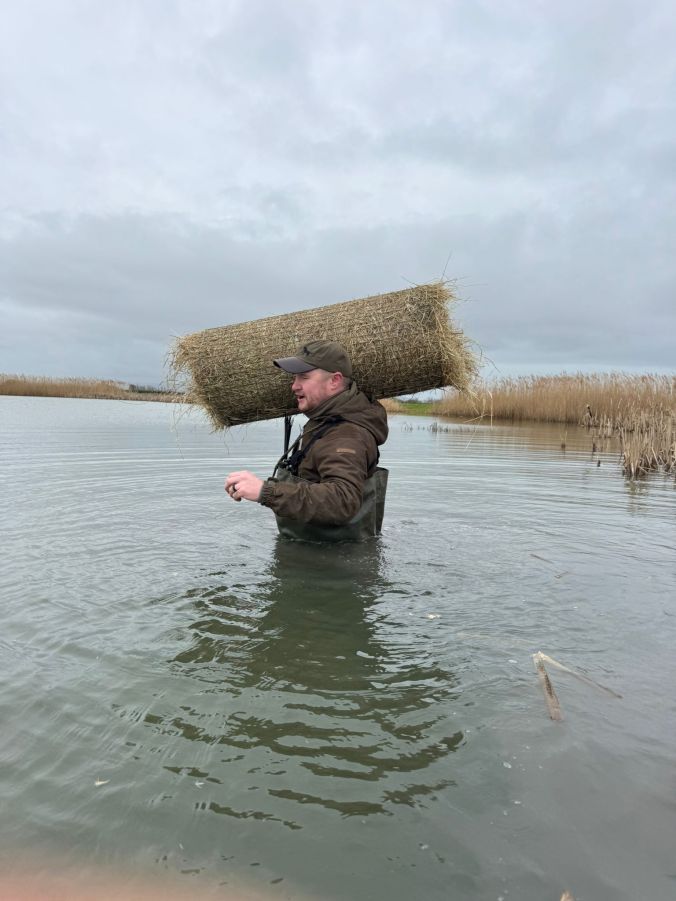
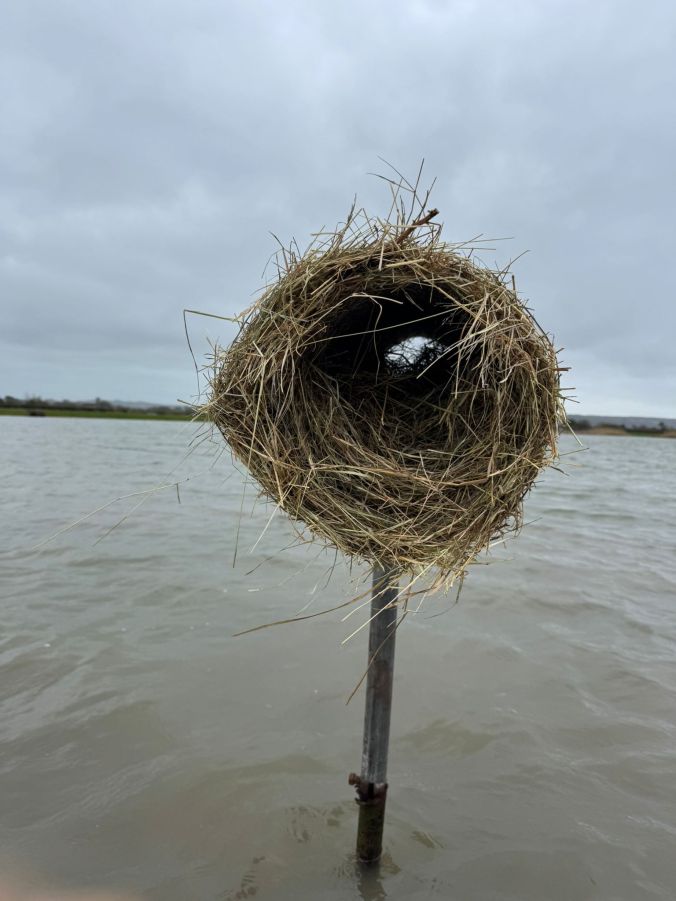
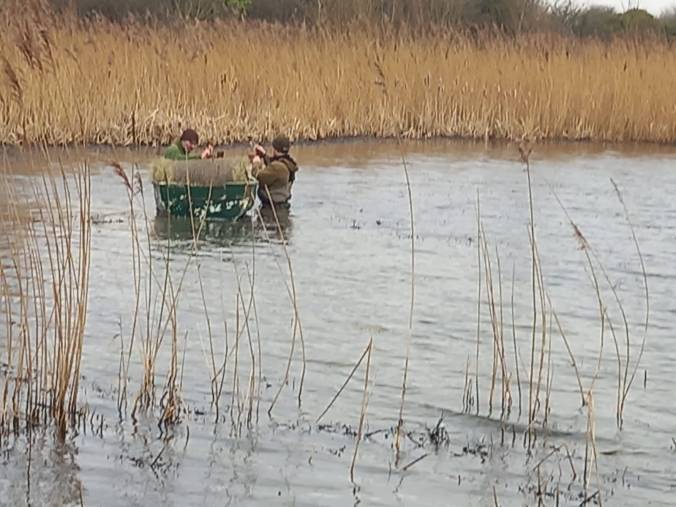
We have refurbished and put out our duck nesting tubes for this season. We have 21 tubes out on 6 ponds, 14 had bits of eggshell in them from last year so they were definitely used. A pair of Egyptian geese have been around the ponds for a few years last year they nested in one of the tubes. While we were still putting out the tubes a pair actually flew in and one stood on the top of a tube and the other went inside. The nesting tubes are mainly for mallard but other ducks use them, last year a tufted duck used one of ours and mandarin ducks are becoming a problem in some places. there’s even a report of a barn owl using one.

Where is the frogspawn

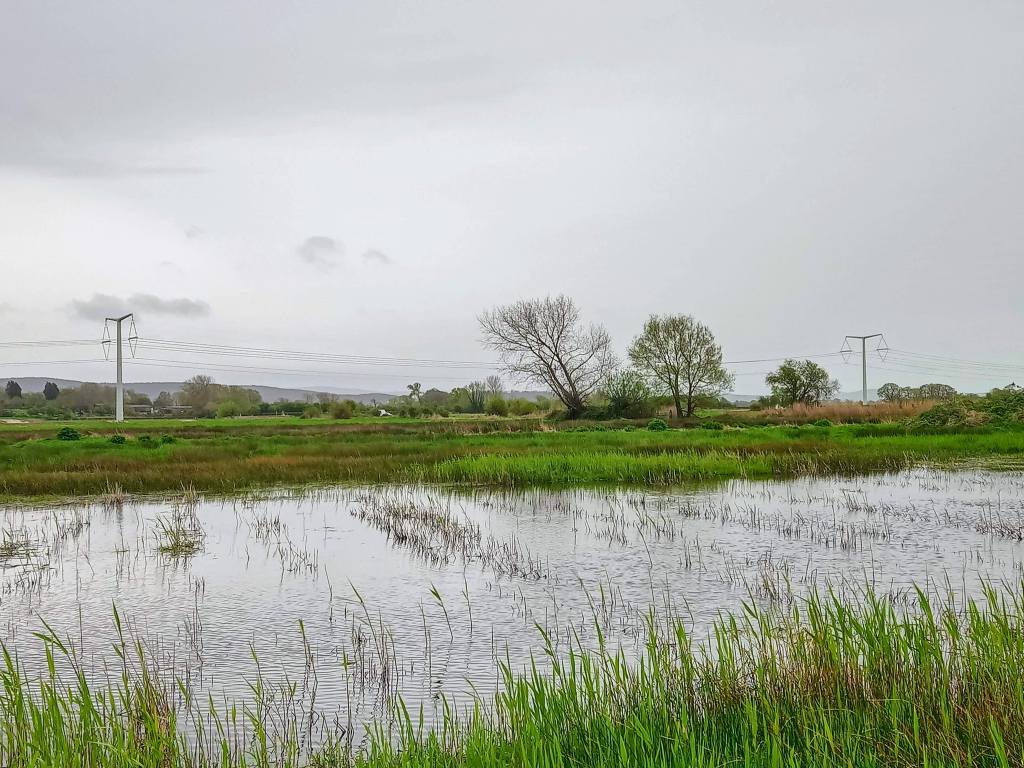
Where is the frogspawn this year. The picture above is of what we call the splash field, it’s a field next to one of our ponds. The water is shallow no more than a foot in most places and usually has a lot of frogspawn in it by now. But there is none. There could be a number of reasons but we think it’s probably ranavirus as the lack of frogspawn is not just here. There is lots of information on the internet about ranavirus and what you can do to help, one thing is don’t take or disturb frogspawn as you can spread the virus that way.

In the picture you can also see the new pylons coming from Hinckly Point power station. Most people seem to prefer the old type.

Bird Counts

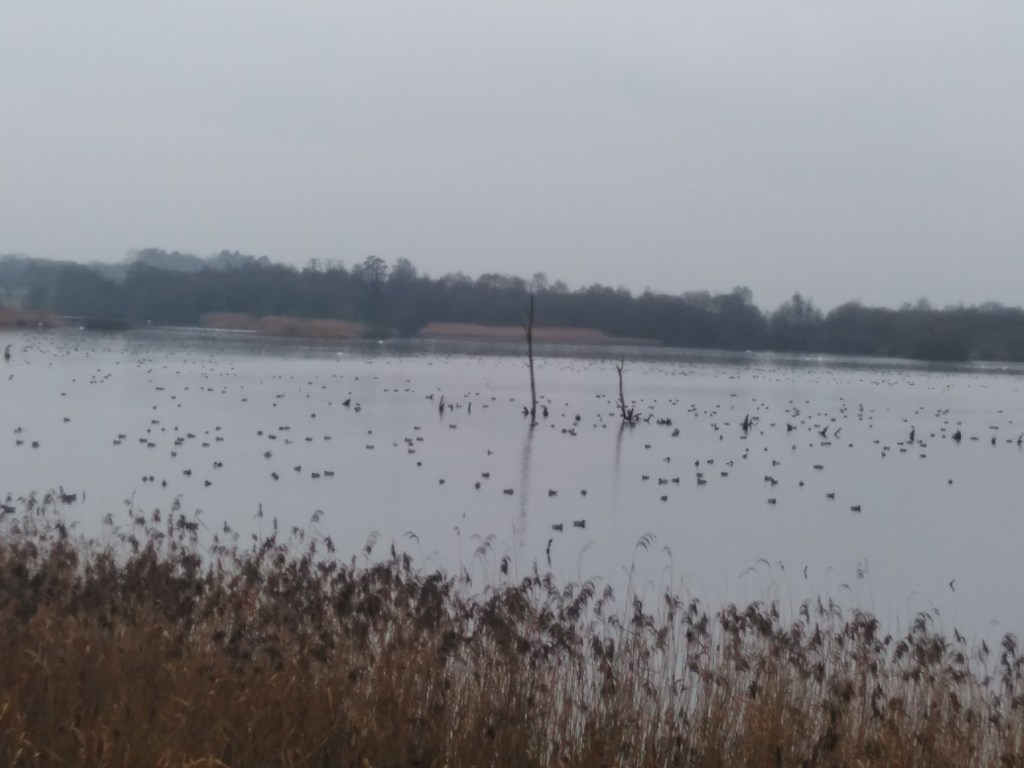
The CWA helps with the bird counts along our foreshore. Every month the BTO [ British Trust for Ornithology ] do bird counts around the country. The results are published on their website http://www.bto.org. We help with bird count on our foreshore so we can be aware of what species are around and take any measures that might need to be put in place. It’s also interesting to see which less common birds are using our foreshore, such as avocets and whimbrel. The count is mainly centered on waders and waterfowl however an unusual vistor may also be listed.

Below is last months count and also January’s for comparison.

Febuary count. canada goose 25, mute swan 2, shelduck 67, wigeon 22, mallard 13, teal 30, tufted 16, little grebe 1, liittle egret 2, coot 16, oystercatcher 4, lapwing 300, curlew 13, dunlin 40, snipe 3, redshank 380, blackheaded gull 15, lesser blackheaded gull 2.

January count. brent goose 1, canada goose 18, mute swan 3, egyptian goose 2, shelduck 171, shoveler 6, wigeon 49, mallard 61, teal 38, tufted 2, little grebe 1, coot 15, avocet 18, lapwing 51, grey plover 9, curlew 35, dunlin 46, snipe 17, redshank 350, blackheaded gull 2, lesser blackheaded gull 2, herring gull 2.

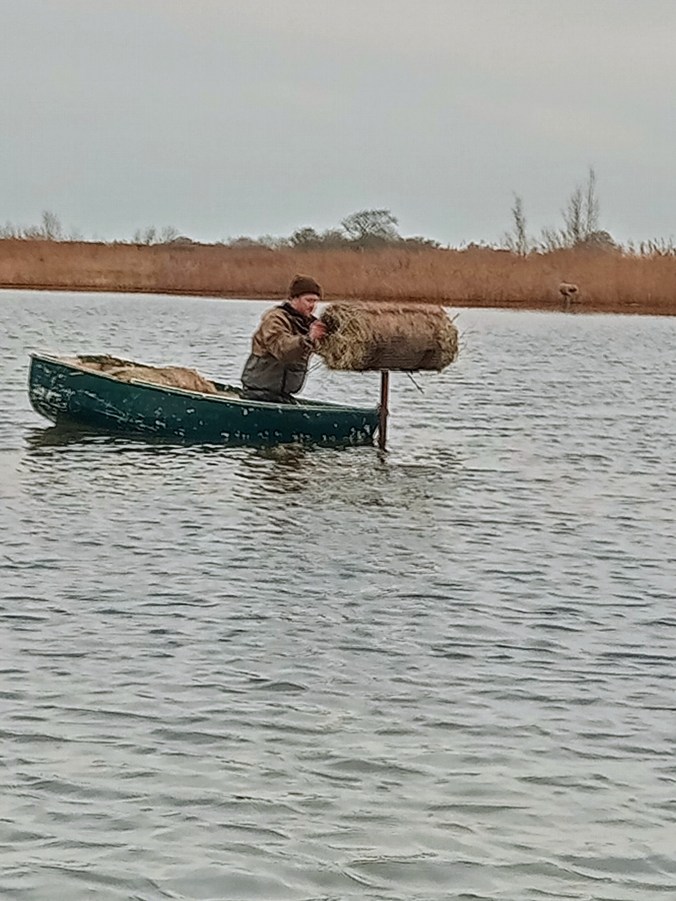
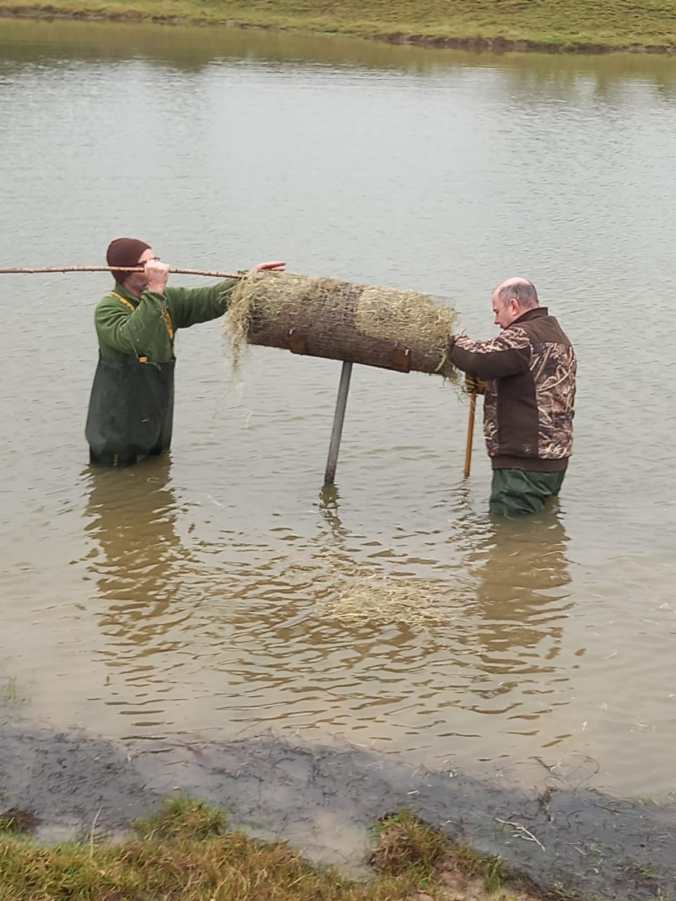
Last nesting tube going out a couple of weeks ago. The water level in this pond had risen so we had to extend the poles before we could put the tubes on.

DUCK NESTING TUBES

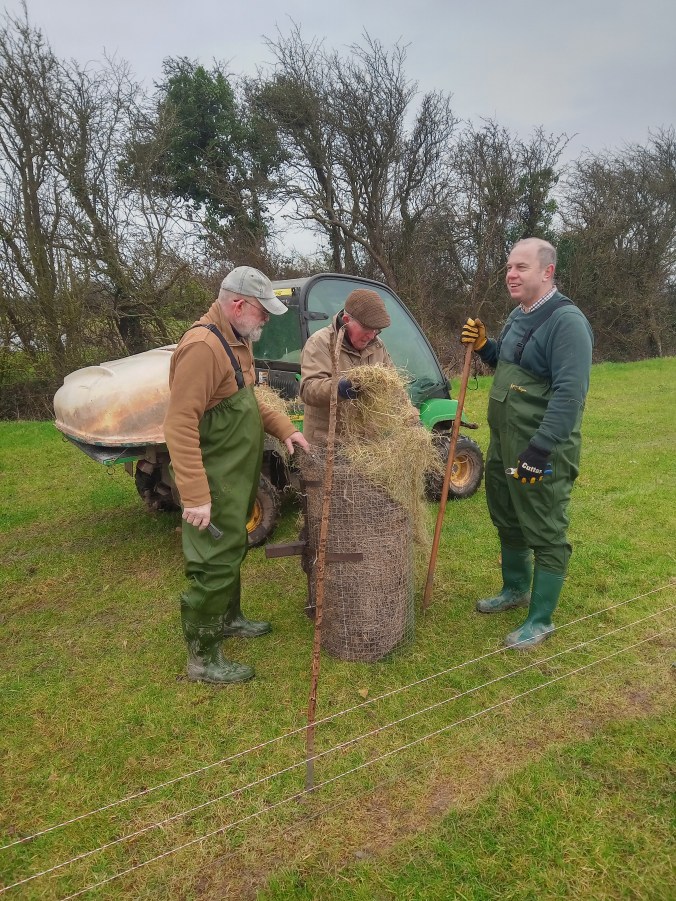
Last week we refurbished or replaced with new our duck nesting tubes

Last year we put out ten nesting tubes on our 10 acre pond, up from four the previous year. Seven of these were used the other three may have been used as they had nests inside but no eggshell. We look for eggshell remains as a more definitive proof of successful use.

We also had another ten duck nesting tubes on ponds on the other side of our estuary, of these again seven were used. So 14 of 20 were definitely used. Proving that duck nesting tubes work and can be a useful part of conservation projects.

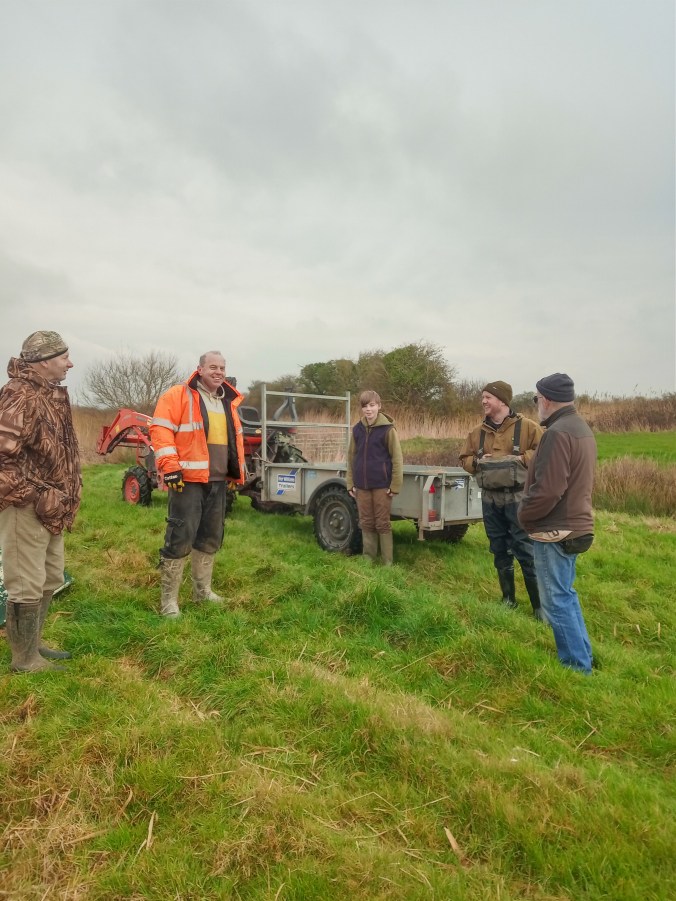
Above are pictures of us refurbishing and building new duck nesting tubes and putting them out last week.

If you are interested in Duck Nesting Tubes and their construction and siting then google BASC duck nesting tubes for all the information you will need.

Presidents Shoot

IMG_20191228_184422

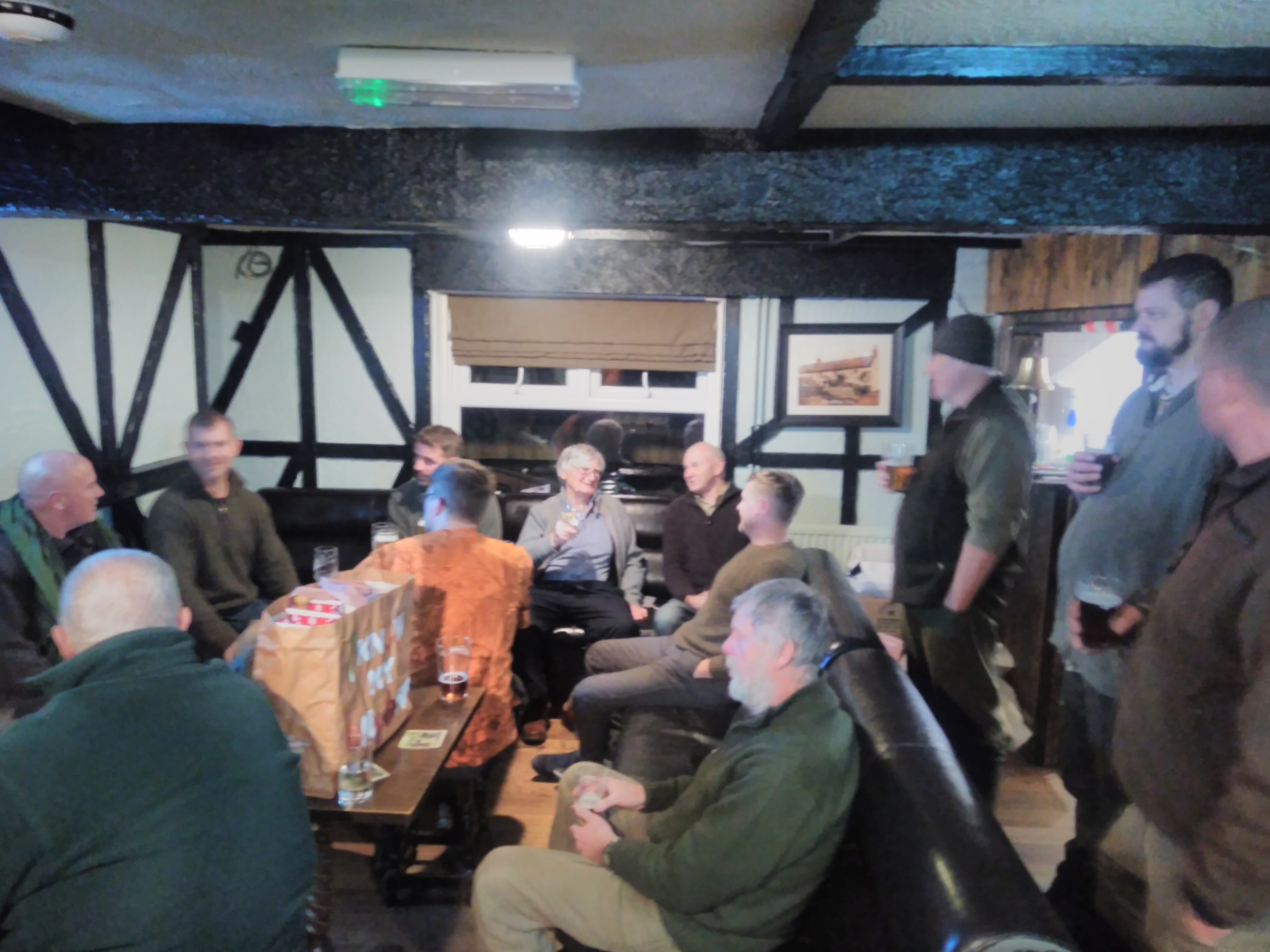
Last week we held the annual Presidents Shoot, the event was well attended, total bag was down a bit on previous years probably due to the amount of standing water and the mild weather. However it was a good opportunity for associates to get out and members who may not go out much to have a wander round and back down the pub later.

IMG_20191228_183032

Total bag was six mallard and five teal, this years winner with the heaviest mallard at 3Ib 1oz was Luke, who is one of our junior members so well done Luke. Second prize went to the heaviest Teal, which was won by Derek at 13oz, and as no wigeon where in the bag third prize went to the second heaviest Teal which was shot by Pete and weighed in at 12oz.

IMG_20191228_183103

Other News, Defra is running a consultation on Trophy Hunting at the moment you can respond to this consultation, the best way to do this and find out more is to visit basc.org.uk/trophy-hunting/

September Update


Junior Shoot.

20190921_190332


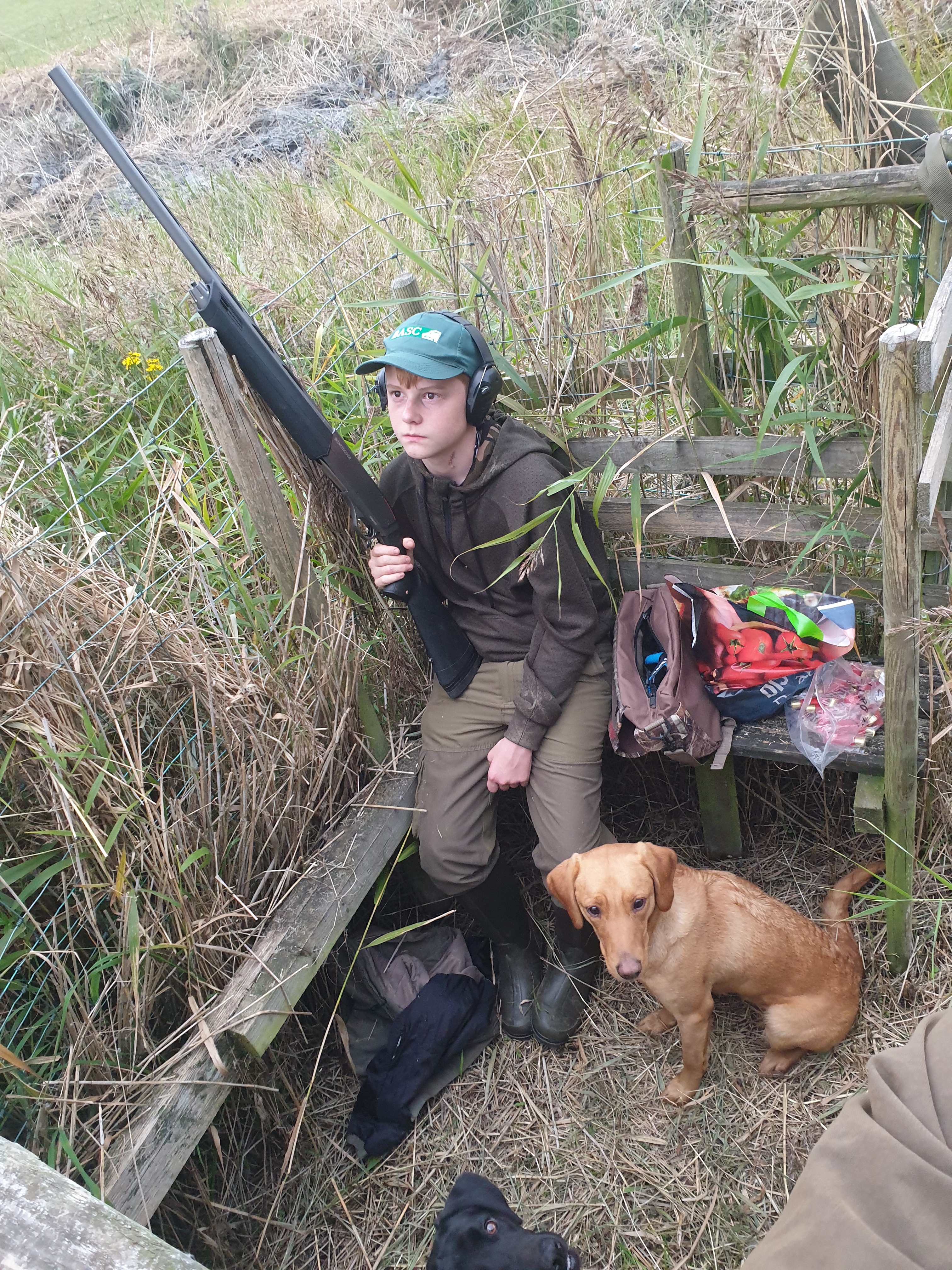
The annual junior shoot, held at one of our ponds on the evening of the 21st., was a great success, four juniors shot and all had shots. The whistle was blown at 7.40pm, with a bag of 5 Mallard and 1 Teal.

20190921_185415

Reed Clearance.

image7

Reed Clearance,

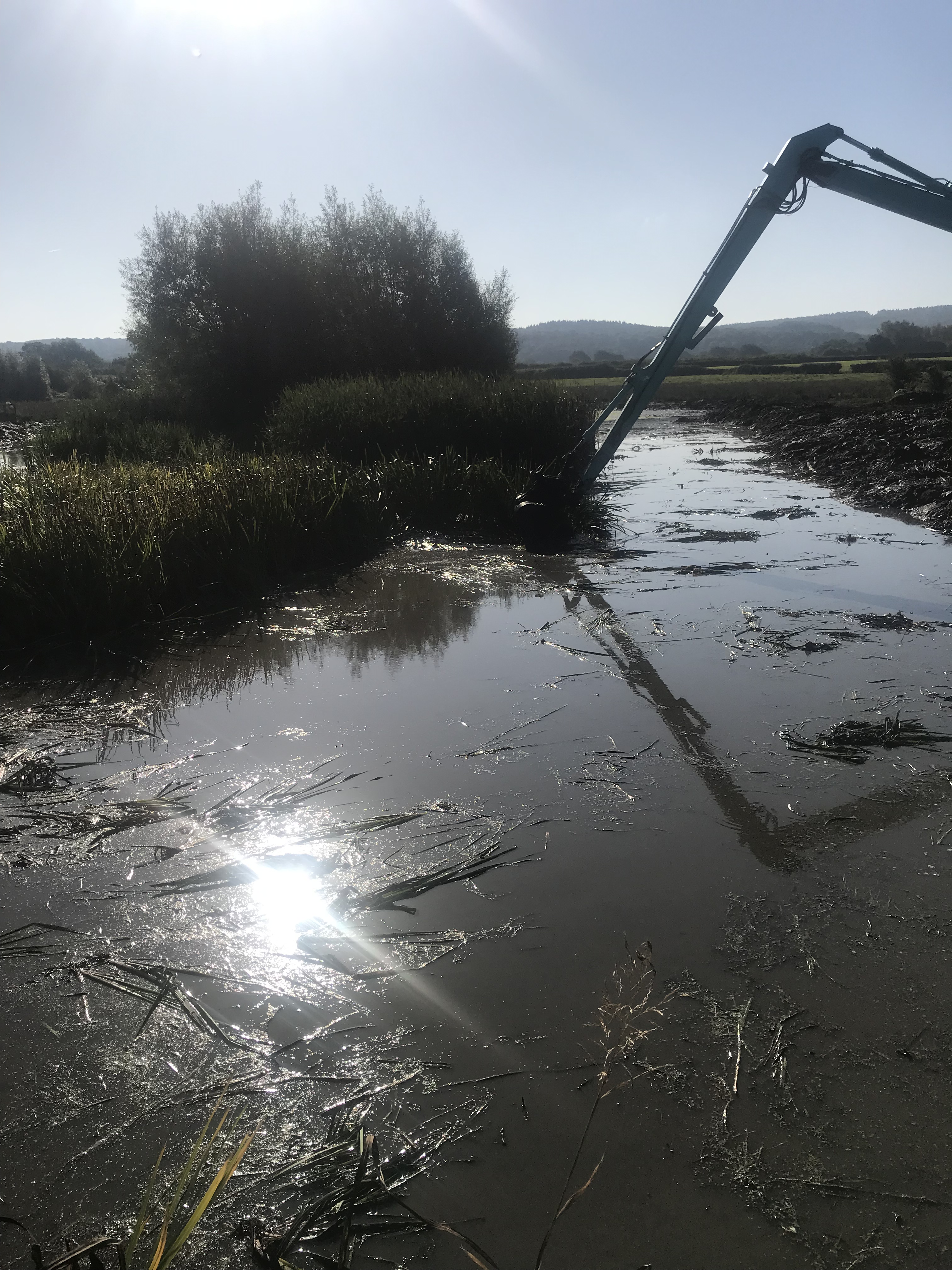
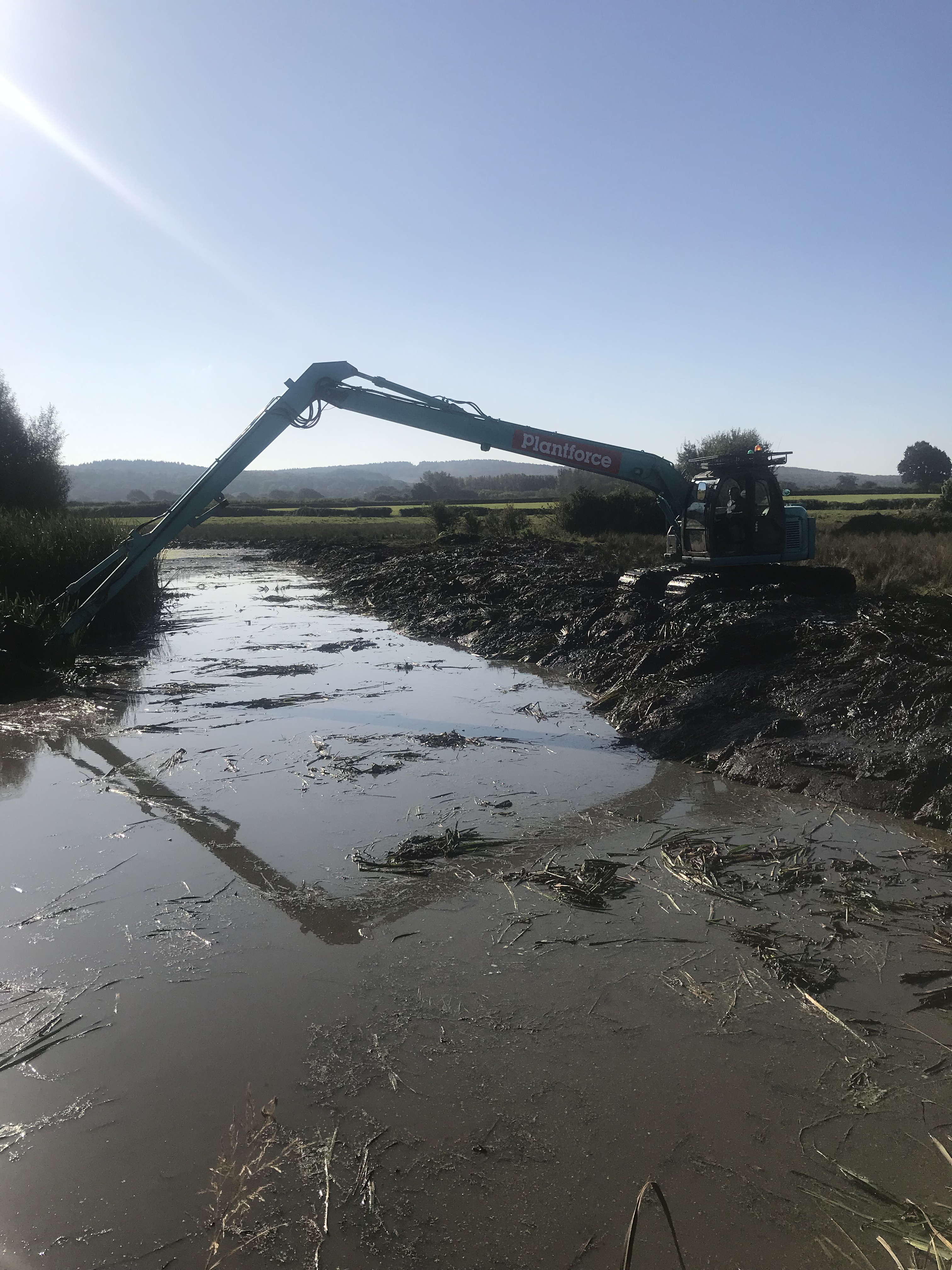
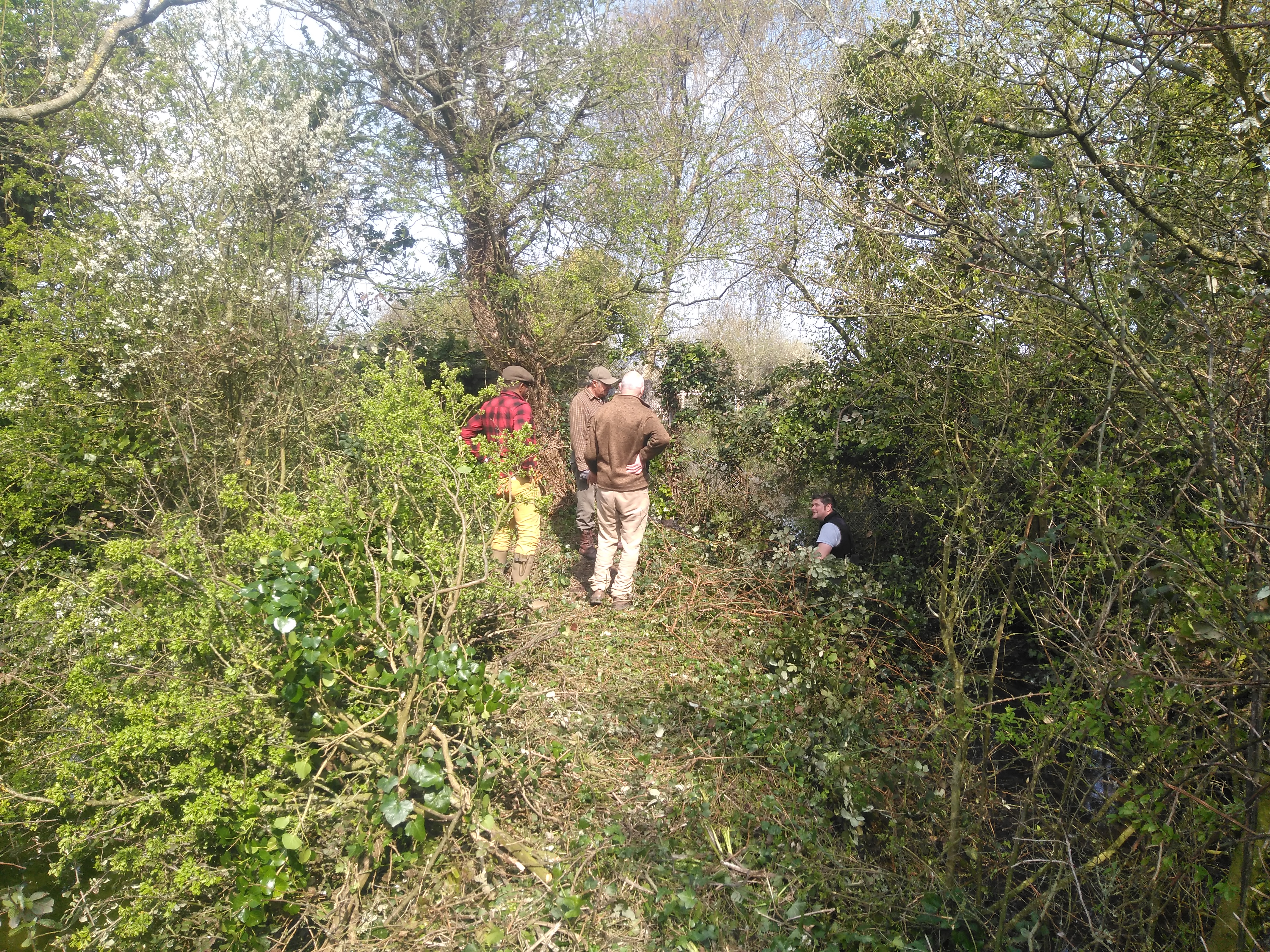
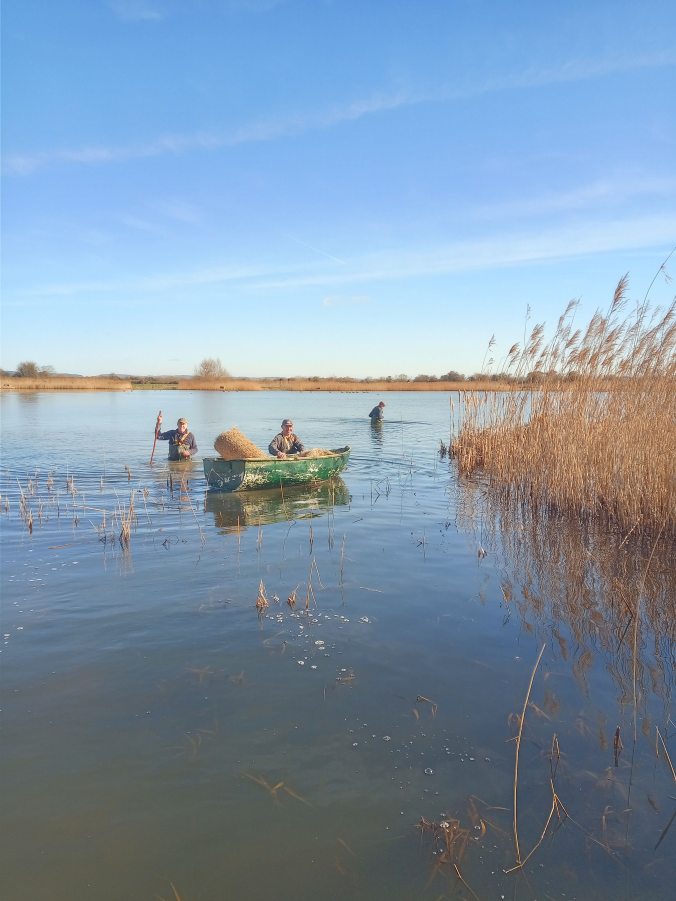
These pictures show clearing the reed from one of our ponds. The reeds spread quite fast and need to be managed. Ducks need open water to fly into but we always leave some reed.

image6

Other news, the season seems to have got of to a good start with plenty of mallard and teal, also there are now regular sightings of pintail around our foreshore. Some water has appeared on the moor after all the heavy rain but it’s probably too early for it to stay long. No sightings of large amounts of wigeon yet, have to wait for colder weather.

Spring High Tide Roosts

IMG_4390 (1)

The Severn Estuary is an important site for migrating and wintering waders. The estuary is a Ramsa site and also effected by SAC, SSSI, and SPA designated sites.

The second highest tide in the world means that spring high tides [those over 12M] push roosting waders to areas where they are more exposed to disturbance. Redshank, Dunlin, Culew, Snipe, Little Egret, Grey Plover and Black Tailed Godwit being the main species.

Any disturbance to spring high tide roosts [SHTRs] especially in hard weather can have serious effects on the birds well-being including increased mortality and migration failure.

As a responsible wildfowling association we take seriously all conservation measures, this includes awareness of SHTRs. All our members are made aware of the significance of SHTRs and have to attend walks to identify them. They are required to adhere to the BASC code for good wildfowling practice,  https://basc.org.uk/cop/wildfowling/  as well as other measures and guidance when wildfowling on or near the foreshore.

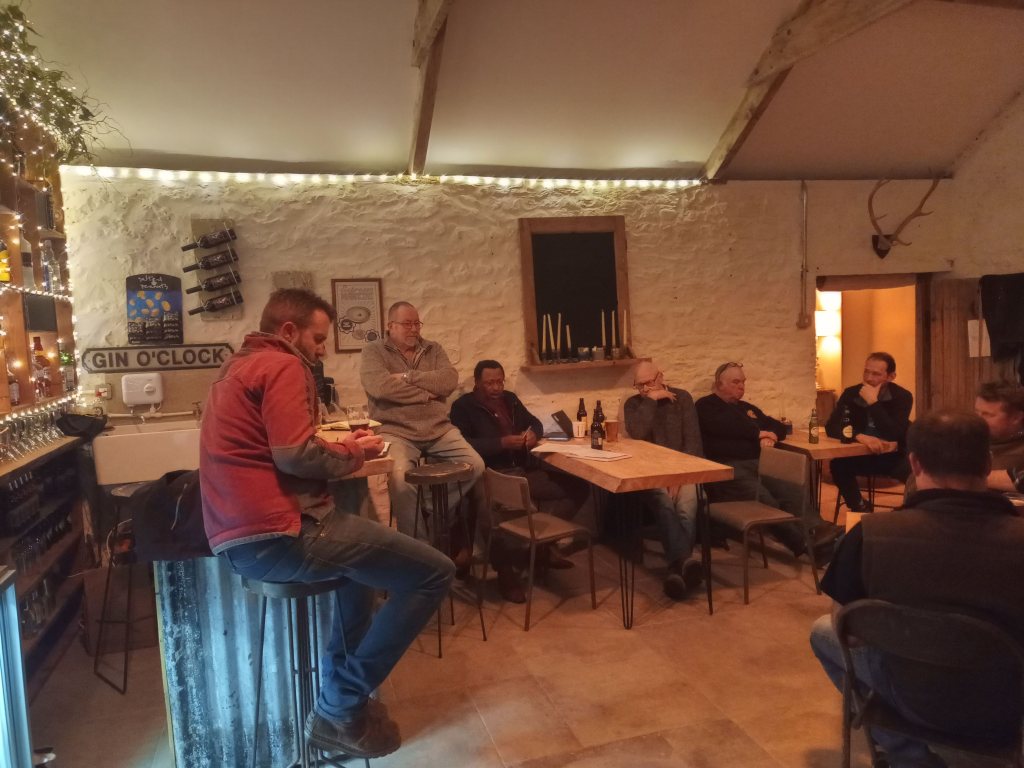
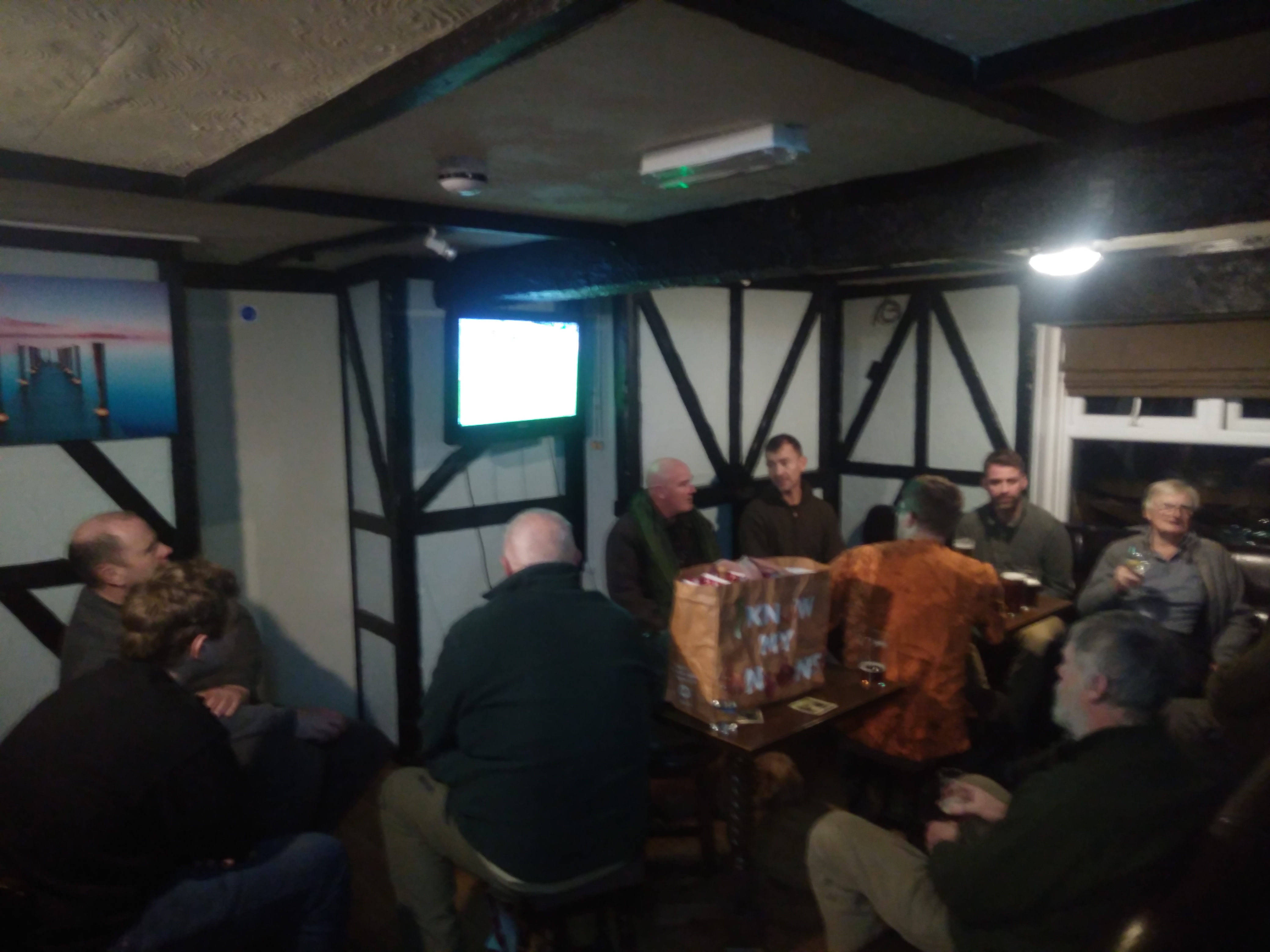
The picture above is of members preparing for a SHTRs awareness walk.

Foreshore Cleanup

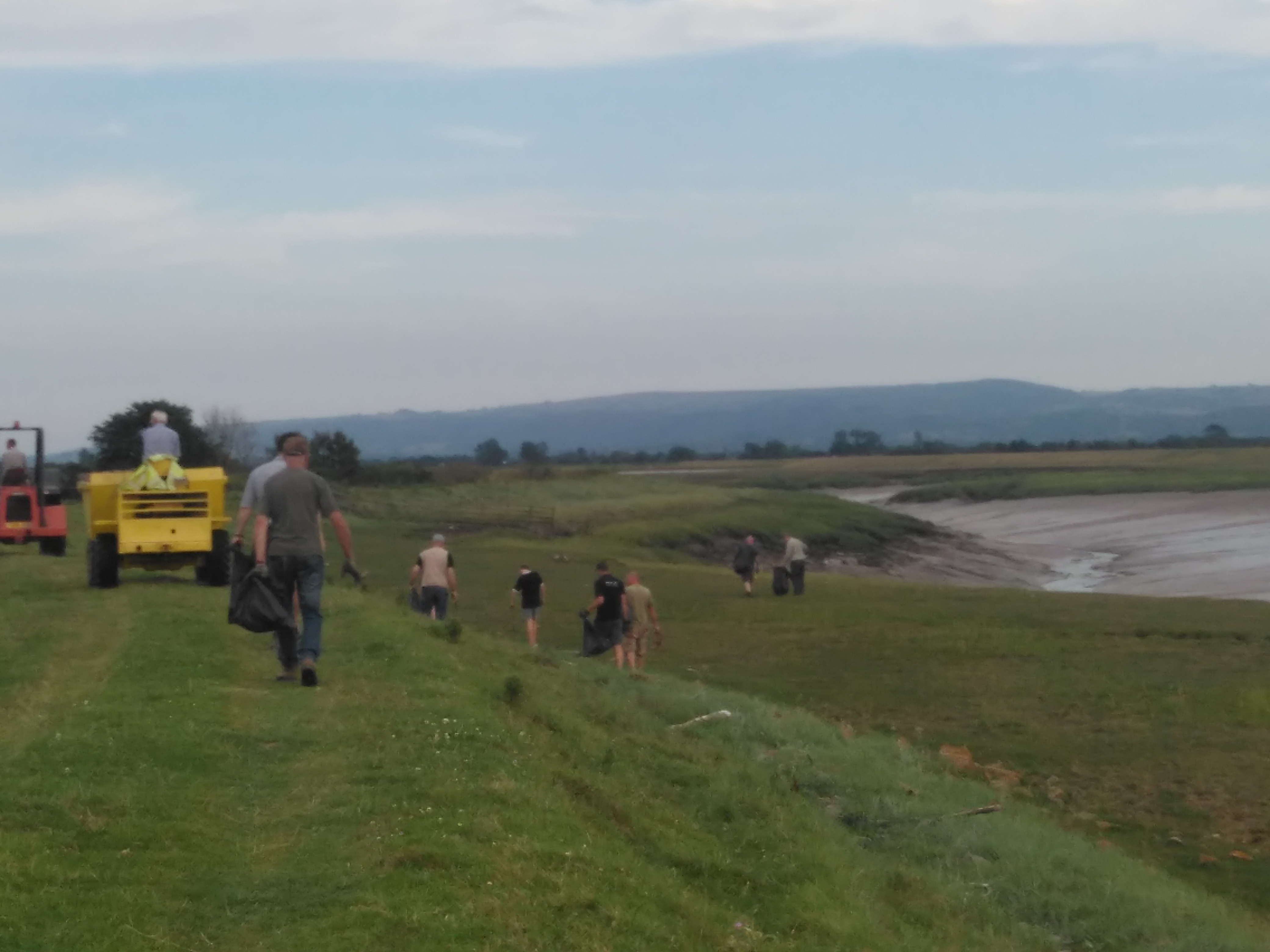
IMG_20190724_190013

This years foreshore cleanup took place last week. Club members gathered and spent the evening clearing the rubbish, the club have been doing an annual foreshore cleanup for over ten years now and this year we picked up less than ever before, lets hope that it carries on that way.

IMG_20190407_122351

Other news, over the summer work has been going on clearing ponds and building duck nesting tubes.  The General Licence fiasco has caused some problems for us as we provide a vermin control service. We are mainly called upon by land owners for crow control and as a result had to stop all measures until it was resolved. However there are still some issues with the licence so we still can’t offer exactly the same service as before.

CWA3

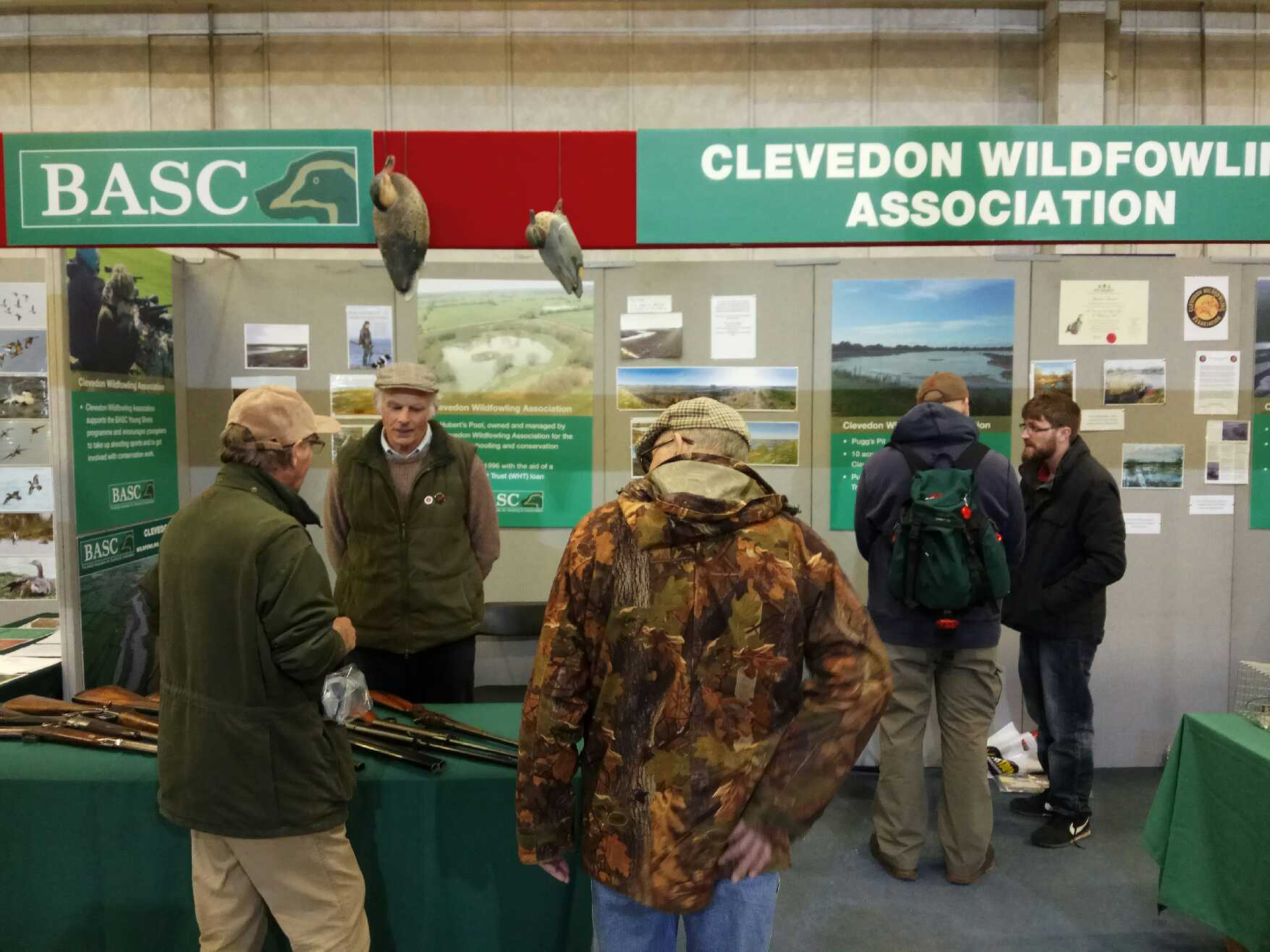
CWA at the West of England Game Fair in March.

Tour Of Hamwall Reserve

IMG_20190120_120657

Last month we had a tour of the Hamwall reserve led by Giles one of the RSPB ornithologists. First we had a quick talk of the history of the reserve and its achievements followed by the tour.

Originally peat diggings the pits that were left have flooded, managed by the RSPB this has created large open areas of water with reed beds islands and paths between the ponds. We saw Pochard, Mallard, Teal, Wigeon, Pintail, Tufted and Gadwall, Canada geese and a couple of Greylag. Mute swans Coot and Snipe amongst others.

They are particularly proud of the Heron species there not only do they have Grey Heron but Little Egret and Greater Egret, which breed on site.There are  also breeding Bittern here, we caught glimpses of a two.

IMG_20190120_120429

Over the road is Shapwick Heath reserve a much older reserve managed by Natural England, this was where we saw most of the Wigeon. We all thoroughly enjoyed ourselves and would recommend a visit if you like waterfowl or just a pleasant walk on the avalon marshes.

Murmurations, this is one of the best places in the UK to see Starling murmurations check their website for details [google Hamwall rspb reserve somerset] because it can get busy. Plenty of parking at £3 all day. There are toilets and an information centre where you can get a coffee. Staff are at the centre and in the car park at all times.

We also saw five Marsh Harriers two pairs flying over one of the ponds at Hamwall reserve and one in a tree at Shapwick Heath.